
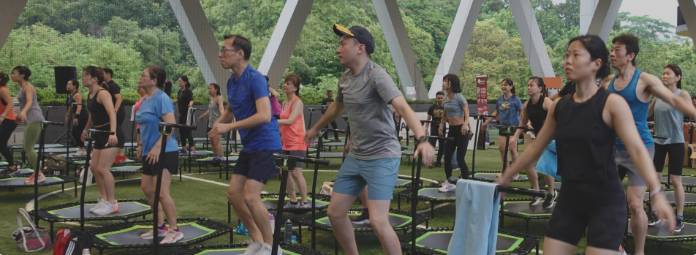
Cardio is one of the most important parts of a healthy fitness routine, but many adults avoid it because it feels repetitive, uncomfortable or too hard on the joints. Running may feel stressful on the knees. Treadmills may feel boring. High-impact floor workouts may leave the body sore for the wrong reasons. That is why a trampoline fitness singapore session can be such an appealing option for adults who want an energetic workout without the harsh feeling of constant impact on a hard surface.
Trampoline fitness is not simply about bouncing for fun. A well-structured rebound class can challenge the heart, legs, core, balance and coordination in one session. It gives adults a way to train hard while still enjoying movement. For people who have struggled to stay consistent with traditional cardio, this kind of class can make fitness feel fresh again.
Why Adults Often Avoid Cardio
Many adults understand the value of cardio, but they still avoid it. The reason is usually not laziness. It is often discomfort, lack of time, boredom or fear of injury. A person may start running, then stop because of knee pain. Another may join a gym, then skip cardio machines because the routine feels dull. Others may feel intimidated by fast-paced group classes that require advanced coordination from the first session.
This is where rebound-based workouts offer a different experience. The trampoline surface creates a softer landing sensation compared to jumping on the floor. The class format also adds structure, music and coaching, which helps people stay engaged instead of counting minutes until the workout ends.
For adults in Singapore who spend long hours sitting at desks, commuting or handling busy family routines, an enjoyable cardio class can be easier to maintain than a strict solo workout plan.
Low Impact Does Not Mean Low Effort
One common misunderstanding is that low impact workouts are easy. That is not always true. A trampoline fitness class can raise the heart rate quickly because the body keeps moving through repeated bounce patterns, rhythm changes, squats, steps and arm movements.
The difference is that the workout may feel kinder on the joints compared to repeated hard landings on the floor. Participants still need to control their movement, keep the core engaged and follow the pace of the class. That combination can make the session both challenging and enjoyable.
Low impact should be understood as a smarter form of intensity, not a weaker one. The aim is to train the body effectively while reducing unnecessary strain.
Cardiovascular Benefits of Rebound Training
Cardiovascular fitness improves when the heart and lungs are challenged regularly. Trampoline fitness can support this because it keeps the body moving in a continuous, rhythmic way. The class may include moderate sections, faster sections and short recovery periods, giving the cardiovascular system a varied challenge.
This type of movement can help improve stamina over time. A person who feels breathless in the first few sessions may gradually notice better endurance, quicker recovery and more confidence during high-energy sections.
For general health, this is important. Better cardiovascular capacity supports daily energy, walking stamina, exercise tolerance and overall wellbeing.
Why the Core Works More Than Expected
Trampoline workouts may look like lower-body cardio, but the core plays a major role. Every bounce requires the body to stabilise itself. The surface moves, the legs push, and the torso must stay controlled.
This constant stabilisation activates the abdominal muscles, lower back and hips. Unlike traditional core exercises performed on a mat, rebound fitness trains the core while the body is moving. That makes it practical and functional.
For adults who want better posture, balance and movement confidence, this hidden core demand is one of the most useful parts of trampoline training.
The Mental Benefit of Enjoyable Movement
Exercise consistency is strongly linked to enjoyment. People are more likely to continue a workout when they look forward to it. Trampoline fitness has an advantage because it feels lively, upbeat and different from ordinary cardio.
The rhythm of music, the energy of the group and the playful nature of bouncing can make the session feel less like a chore. This matters for mental health too. Movement can help reduce stress, improve mood and create a sense of achievement after a long day.
For many adults, the emotional feeling after class is what brings them back.
How to Add It to a Weekly Fitness Routine
Trampoline fitness can be used as one part of a balanced routine. It works well alongside strength training, stretching, mobility sessions and rest days. Someone may attend one or two rebound classes per week, then combine them with gym training or yoga-style recovery work.
The goal is not to do only one type of exercise. A balanced plan gives the body different forms of challenge. Rebound fitness can provide the cardio and coordination element, while strength training supports muscle and bone health.
Real-Life FAQs
Q. Can trampoline fitness replace running for cardio?
Ans. It can be a good cardio alternative for people who do not enjoy running or find running uncomfortable. However, the best option depends on your body, goals and fitness level.
Q. Is trampoline fitness suitable if I have sensitive knees?
Ans. It may feel gentler than hard-floor jumping, but anyone with knee problems should check with a doctor or physiotherapist before joining.
Q. How often should adults attend trampoline fitness classes?
Ans. Many people start with one class per week and then increase based on recovery, schedule and overall fitness plan.