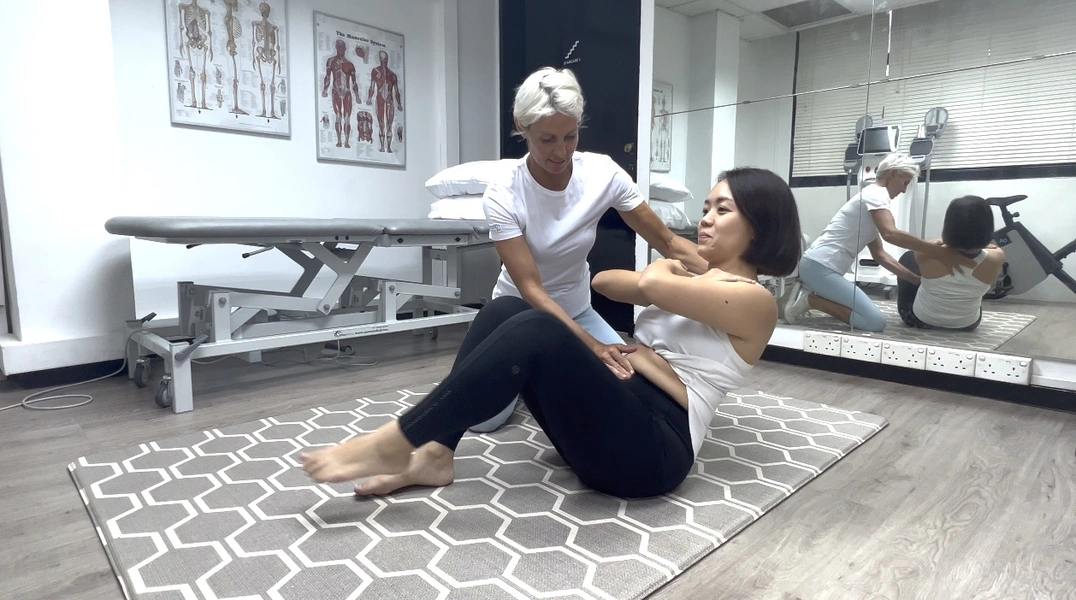
Pelvic floor health is rarely discussed openly, yet it affects daily comfort, confidence, and long-term physical wellbeing. For many women in Singapore, changes in the body after pregnancy, childbirth, or prolonged stress can quietly weaken core support systems. This is where pilates singapore plays a vital role, offering a structured and intelligent way to rebuild deep strength without rushing or risking injury.
Pilates is not about pushing through pain or chasing fast results. It focuses on restoring coordination between breathing, the pelvic floor, and deep abdominal muscles. This makes it especially relevant for postnatal recovery, pelvic floor awareness, and anyone experiencing core instability in everyday life.
Understanding the pelvic floor as part of the core system
The pelvic floor is often misunderstood as a single muscle that simply needs tightening. In reality, it is a complex group of muscles working together with the diaphragm, deep abdominals, and spinal stabilisers.
What the pelvic floor actually does
-
Supports internal organs such as the bladder and uterus
-
Manages pressure during movement, coughing, and lifting
-
Contributes to posture and spinal stability
-
Plays a role in continence and sexual health
When this system is disrupted, symptoms may appear slowly and are often dismissed as normal after childbirth or ageing. Pilates helps reconnect these muscles to the rest of the body rather than isolating them.
Why pregnancy and childbirth change core function
During pregnancy, the body adapts to accommodate a growing baby. Muscles stretch, joints shift, and pressure patterns change. After childbirth, the body does not automatically return to its previous state.
Common postnatal core challenges
-
Reduced pelvic floor coordination
-
Diastasis recti or abdominal separation
-
Lower back discomfort
-
Weakness during lifting or carrying
-
Loss of confidence in movement
Pilates respects these changes and works progressively to restore control without forcing intensity.
Breathing and pressure management in Pilates
One of the most important aspects of pelvic floor recovery is learning how to manage pressure within the abdomen. Many people unknowingly hold their breath or brace excessively during movement.
Pilates teaches:
-
Diaphragmatic breathing that supports the pelvic floor
-
Gentle engagement rather than constant tightening
-
Timing of breath with movement
This coordination allows the pelvic floor to respond naturally instead of being overworked or ignored.
Pilates approach to postnatal core rebuilding
Pilates does not rush recovery. Exercises are chosen based on function rather than appearance.
Key principles used in postnatal Pilates
-
Slow, controlled movements that prioritise awareness
-
Emphasis on alignment and neutral spine
-
Gradual loading to rebuild strength safely
-
Symmetrical work to address left and right imbalances
This approach helps rebuild trust in the body, which is often lost after major physical changes.
Pelvic floor strength versus pelvic floor function
Strength alone does not guarantee pelvic floor health. Many issues arise from muscles that are constantly tense but poorly coordinated.
Pilates improves function by:
-
Teaching relaxation as well as activation
-
Improving endurance rather than short bursts of effort
-
Encouraging reflexive engagement during daily tasks
This balanced approach reduces symptoms while supporting long-term health.
Everyday movements that stress the pelvic floor
Daily activities place repeated demands on the pelvic floor, especially for parents and caregivers.
Common stress triggers include
-
Lifting children or groceries
-
Getting up from the floor
-
Carrying heavy bags
-
Prolonged standing or walking
Pilates trains these movements in a controlled environment, making everyday tasks feel safer and easier.
Addressing abdominal separation with Pilates
Abdominal separation can affect posture, breathing, and pelvic floor support. Pilates addresses this by improving muscle coordination rather than aggressive abdominal work.
Key focus areas include:
-
Reconnecting deep abdominal muscles
-
Reducing outward pressure during movement
-
Improving trunk stability
This approach avoids strain while encouraging gradual closure and functional strength.
Emotional benefits of pelvic floor focused Pilates
Physical recovery is closely linked to emotional wellbeing. Many women experience frustration, anxiety, or reduced confidence when their bodies feel unfamiliar.
Pilates supports emotional recovery by:
-
Offering a calm and supportive environment
-
Encouraging mindfulness through movement
-
Building confidence through achievable progress
This holistic benefit is often overlooked but deeply valuable.
Pilates for long-term pelvic health beyond childbirth
Pelvic floor health remains important well beyond the postnatal phase. Hormonal changes, stress, and ageing continue to influence muscle function.
Pilates supports long-term health by:
-
Maintaining muscle coordination over time
-
Supporting spinal health and posture
-
Reducing the risk of future dysfunction
This makes Pilates relevant for women at all life stages.
Integrating Pilates into a busy postnatal routine
Consistency matters more than duration. Pilates fits well into busy schedules because sessions can be efficient and focused.
Many women find success by:
-
Attending two structured sessions per week
-
Practising short home-based movements
-
Applying breathing techniques during daily activities
This realistic approach supports sustainable recovery.
Choosing a supportive Pilates environment
A safe and informed environment is essential for pelvic floor focused training. Attention to detail and proper guidance make a significant difference.
Studios such as Yoga Edition are valued for their emphasis on controlled progress and body awareness, which is crucial for postnatal and pelvic floor focused practice.
Real-life FAQ
Q: How soon after childbirth can Pilates begin?
A: This varies by individual and birth experience. Many women start with gentle breathing and awareness work within weeks, while structured classes are often suitable after medical clearance.
Q: Can Pilates help with bladder control issues?
A: Pilates can improve coordination and strength of the pelvic floor, which may help manage mild bladder control concerns. Persistent symptoms should still be discussed with a healthcare professional.
Q: Is Pilates suitable after a C-section?
A: Yes, but progress should be gradual. Pilates focuses on rebuilding deep strength and movement confidence without stressing healing tissues.
Q: How long does it take to feel stronger through the core?
A: Many people notice improved control and awareness within a few weeks. Visible strength and confidence typically develop with consistent practice over several months.
Q: Will Pilates make the pelvic floor too tight?
A: Pilates emphasises balance. It teaches both engagement and relaxation, reducing the risk of over-tightening.
Q: Can Pilates support pelvic health during menopause?
A: Yes, Pilates helps maintain muscle coordination, posture, and core support, which are important as hormonal changes affect tissue strength and elasticity.