
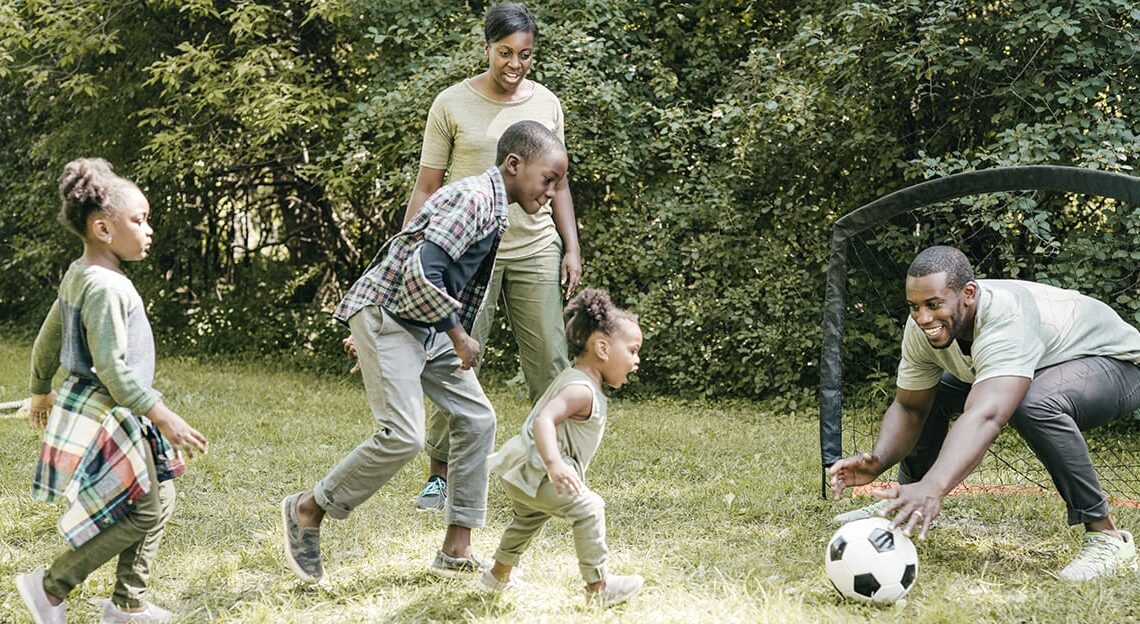
Screens are woven into modern childhood. From online learning to entertainment and socializing, digital tools are everywhere. While technology brings benefits, it has also reduced the time children spend moving their bodies. Helping kids stay physically active today requires balance, intention, and creativity rather than strict screen bans.
This article explores practical, realistic ways parents and caregivers can encourage movement while respecting the realities of a digital-first world.
Why Physical Activity Still Matters More Than Ever
Regular movement is not just about burning energy. It supports physical health, emotional stability, and cognitive development. Children who stay active tend to sleep better, focus longer, and develop stronger social skills.
Key benefits of consistent physical activity include:
-
Stronger muscles and bones
-
Healthier body weight and posture
-
Improved mood and reduced anxiety
-
Better concentration and academic performance
-
Development of teamwork and leadership skills
In a screen-heavy environment, these benefits become even more critical.
Understanding the Digital Challenge
Digital devices are designed to capture attention. Games, videos, and apps provide instant feedback and entertainment, making physical activity feel less exciting by comparison.
Common challenges parents face include:
-
Long hours of sedentary screen time
-
Reduced outdoor play due to safety concerns
-
Limited access to open play spaces
-
Busy family schedules
Acknowledging these challenges helps set realistic expectations and solutions.
Making Movement Part of Everyday Life
Physical activity does not need to look like structured workouts or competitive sports. Small changes in daily routines can add up.
Simple ways to integrate movement:
-
Walk or bike for short errands instead of driving
-
Encourage active chores like gardening or cleaning
-
Use stairs instead of elevators whenever possible
-
Schedule short movement breaks during homework time
When movement feels normal and frequent, children are more likely to embrace it.
Turning Screen Time into Active Time
Technology itself can be part of the solution. Not all screen time is passive.
Active digital options include:
-
Motion-based video games that require full-body movement
-
Dance-along or fitness videos designed for kids
-
Interactive challenges that track steps or activity goals
By reframing screens as tools rather than obstacles, children learn healthier habits around technology.
Encouraging Outdoor Play and Exploration
Outdoor environments naturally invite movement, creativity, and social interaction. Fresh air and unstructured play stimulate both physical and mental growth.
Ideas to promote outdoor activity:
-
Regular family walks or weekend hikes
-
Free play at parks or playgrounds
-
Neighborhood games like tag or cycling
-
Nature-based activities such as scavenger hunts
Children are more likely to enjoy outdoor activity when it feels like adventure rather than obligation.
Leading by Example as a Parent or Caregiver
Children mirror adult behavior more than instructions. If they see movement as a natural part of adult life, they are more likely to follow suit.
Ways adults can model active living:
-
Choose walking meetings or family strolls
-
Talk positively about exercise and body health
-
Participate in activities together rather than supervising from the sidelines
-
Limit personal screen use during family time
Shared activity strengthens both health and relationships.
Creating a Supportive and Motivating Environment
Motivation grows in environments that celebrate effort instead of performance. Not every child enjoys competitive sports, and that is perfectly fine.
Supportive strategies include:
-
Offering multiple activity choices
-
Praising consistency rather than skill
-
Avoiding comparisons with other children
-
Allowing children to set their own activity goals
When kids feel supported, they are more willing to stay active long term.
Balancing Structure and Freedom
Some children thrive with scheduled activities, while others prefer spontaneous play. A healthy balance helps prevent burnout.
Consider combining:
-
Structured activities like sports classes or swimming lessons
-
Free play where children choose how and when to move
Flexibility keeps physical activity enjoyable rather than stressful.
Frequently Asked Questions
How much physical activity do children need each day?
Most children benefit from at least 60 minutes of moderate to vigorous physical activity daily, which can be broken into smaller sessions.
Is it okay if my child prefers indoor activities?
Yes. Indoor activities like dancing, yoga, or active games can still provide valuable movement when outdoor play is limited.
How can I motivate a child who dislikes sports?
Focus on non-competitive activities such as hiking, martial arts, cycling, or creative movement that aligns with their interests.
Should screen time be completely restricted?
Total restriction is rarely effective. Instead, aim for balanced screen use paired with regular physical activity.
What if my child has limited access to outdoor spaces?
Home-based movement, online fitness programs, and creative use of small indoor areas can still support an active lifestyle.
Can physical activity improve academic performance?
Yes. Regular movement supports brain health, memory, and concentration, which can positively influence learning outcomes.
How early should active habits be encouraged?
Active habits can begin in early childhood. The earlier movement becomes routine, the more likely it is to continue into adulthood.