


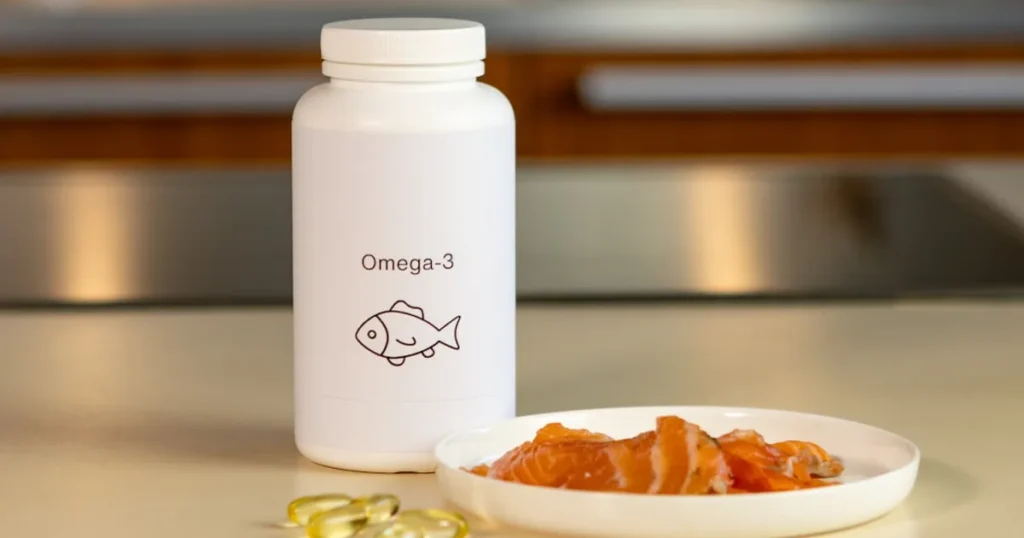
Developing nutrition products for Muslim consumers requires more than choosing a technically suitable ingredient. The supply chain, processing method, supporting documentation and certification status all need to align with halal expectations. For manufacturers comparing a halal DHA omega 3 oil supplier, the decision should balance nutritional quality with traceability, compliance support and confidence in how the oil is produced and handled.
Halal Suitability Needs Clear Evidence
Halal suitability cannot be based on assumptions. Even when an ingredient comes from a marine source, buyers still need to understand how it has been processed, refined, stored and transported. Processing aids, capsule materials, cleaning systems and possible cross-contact risks may all affect whether the finished product can meet halal requirements.
This makes documentation essential. A supplier should be able to provide clear evidence of halal certification or relevant compliance information, depending on the buyer’s market and product category.
For brands, this protects both the product and the customer relationship. Consumers who choose halal products expect care throughout the supply chain, not only in the ingredient description.
DHA Quality Should Still Come First
Certification is important, but the oil still needs to perform as a nutrition ingredient. DHA is valued in many product categories, including supplements, functional foods and specialist nutrition products. The oil’s concentration, stability, sensory profile and specification all affect how suitable it is for formulation.
A product may meet halal expectations but still be difficult to use if the oil has poor odour, weak stability or inconsistent quality. Buyers should assess the full technical profile before committing to a supplier.
This includes checking the DHA level, oxidation values, shelf-life guidance, storage conditions and whether the oil is suitable for the intended format. A capsule product, liquid supplement and fortified food may each require a different approach.
Traceability Supports Consumer Trust
Traceability is valuable in any ingredient supply chain, but it is especially important when products carry dietary or religious claims. Brands need confidence that they can explain where the ingredient comes from and how it has been handled.

This does not mean every consumer will read technical documents. However, the brand owner, manufacturer and quality team need that information available. It supports product approval, retailer checks, export requirements and customer enquiries.
A supplier with strong traceability can make this process easier. It helps buyers move from a basic ingredient purchase to a more controlled sourcing decision.
Processing And Handling Need Attention
Omega 3 oils are sensitive ingredients. They need careful handling to protect quality and prevent oxidation. For halal product development, handling also needs to support certification expectations and avoid unsuitable contact with non-compliant materials.
Storage tanks, packaging, transport conditions and production controls can all matter. If these details are not managed properly, buyers may face technical or compliance concerns later in the process.
This is why supplier capability should be assessed beyond the product sheet. The way the oil is produced and managed can be just as important as the oil itself.
Different Markets May Have Different Requirements
Halal expectations can vary by market, certification body and product type. A brand selling in Malaysia may need different documentation from one supplying the Middle East, Indonesia or Europe. Retailers and distributors may also have their own approval standards.
Manufacturers should understand the destination market before finalising an ingredient supplier. They may need specific certificates, recognised halal authorities, additional technical files or supporting statements.
A good supplier should be able to support these discussions clearly. They may not control every market requirement, but they should provide accurate information that helps the buyer assess suitability.
A Strong Supplier Makes Product Development Easier
Choosing a halal DHA omega 3 ingredient is not only about meeting one claim on the label. It is about building a product that can stand up to quality checks, consumer expectations and market requirements.
The right supplier should provide consistent oil quality, reliable documentation, technical guidance and confidence in how the ingredient is handled. That makes life easier for product developers, quality teams and commercial managers.
When halal assurance and omega 3 quality are considered together, manufacturers are better placed to create products that feel credible, compliant and suitable for the consumers they are designed to serve.