


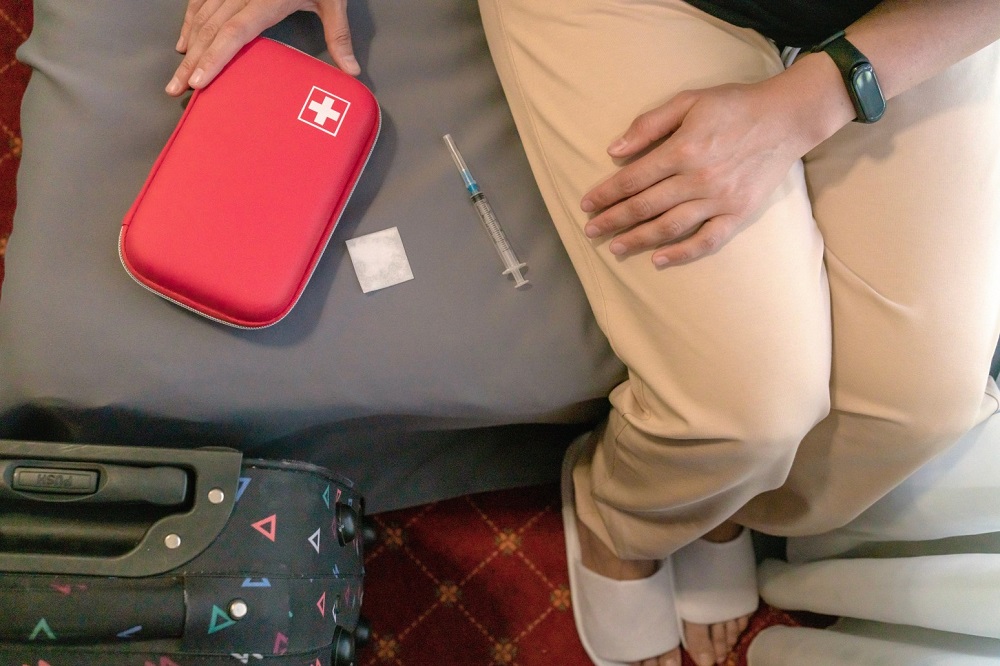
Travelling can provide an opportunity to explore reputable aesthetic care, but treatment should never be treated as a casual addition to a holiday itinerary. Anyone researching Xeomin botox in Thailand should allow time for a proper medical consultation, understand exactly which product is being offered and make practical arrangements for follow-up care before booking an appointment.
Understand What Treatment You Are Requesting
“Botox” is often used informally to describe a wider category of wrinkle-relaxing injections. However, Botox and Xeomin are separate brands, even though both contain forms of botulinum toxin type A.
Xeomin is a prescription injectable used to reduce the appearance of certain facial lines temporarily. It works by limiting the nerve signals that cause selected muscles to contract. This can soften lines associated with repeated expressions, but it does not treat every type of wrinkle.
Lines caused mainly by sun damage, skin laxity or reduced facial volume may require a different approach. A consultation should therefore begin with the concern you want to address rather than an assumption about which product or dose you need.
Assess the Clinic Before Committing
Professional standards matter more than a convenient location or an attractive package price. Before attending, confirm who will perform the injections and whether that person is appropriately qualified to assess, prescribe and administer the treatment.
A reputable clinic should be willing to explain how the product is sourced, stored and prepared. Patients should be able to see clearly labelled packaging and have the treatment details recorded in their medical notes. Be cautious if the brand is unclear, the original container is not available or staff use vague terms such as “premium toxin” without naming the product.
The consultation should also include questions about previous injectable treatments, current medication, allergies and relevant health conditions. This information helps the practitioner identify whether treatment is suitable and whether additional medical advice is needed.
Leave Space in Your Travel Schedule
Injectable treatments produce temporary changes that develop gradually. For this reason, scheduling an appointment immediately before a flight, important event or departure from the country may leave little room to assess the result or contact the clinic in person.
A sensible itinerary includes time between the procedure and any major plans. Mild swelling, redness, tenderness or bruising can occur around injection points, even when treatment has been performed correctly. These effects are often manageable, but they may be inconvenient if photographs, business meetings or celebrations are planned for the same day.
Patients should also ask when the clinic recommends a review. The practitioner cannot properly assess the finished result immediately after the injections, so follow-up arrangements should be discussed in advance. When an in-person review will not be possible, confirm whether secure video consultations or another form of clinical support is available.


Ask for Clear Aftercare Instructions
Aftercare guidance should be specific, easy to understand and provided in writing. It should explain what activities to avoid, how to care for the injection sites and which symptoms require medical attention.
Make sure you receive a contact number that works outside normal appointment hours. This is particularly important when staying in an unfamiliar city, as reception staff at a hotel or accommodation provider may not know which clinic was used or what treatment was performed.
Keep a personal record of the product name, treatment date, dose and areas injected. This information can be helpful if you later consult another practitioner or decide to repeat the treatment after returning home.
Treat It as Healthcare, Not a Holiday Purchase
The quality of an injectable appointment depends on clinical judgement, product authenticity and accessible aftercare. A carefully planned consultation allows the practitioner to assess facial movement, discuss realistic expectations and decide whether treatment is appropriate.
Making room for assessment and follow-up may require more preparation, but it creates a safer and more considered experience than choosing an appointment solely because it fits between sightseeing plans.