


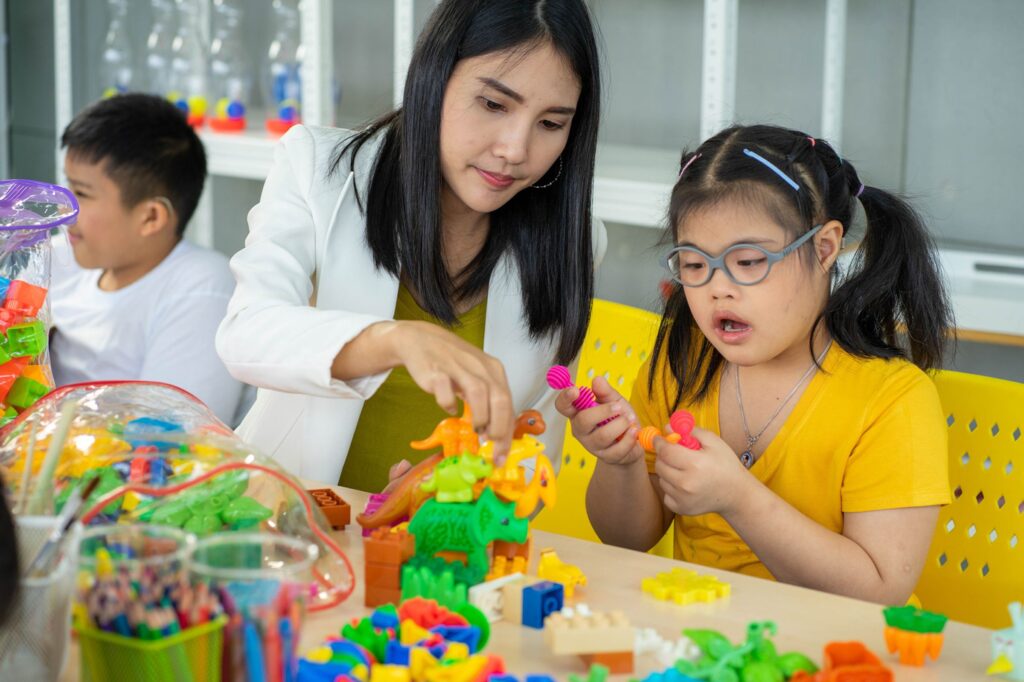
Raising a child with autism presents a unique set of experiences. Across Australia, thousands of families receive an autism diagnosis every year. The first few years of a child’s life are vital for brain development, making early support incredibly important. During this time, a child’s brain is highly adaptable. It absorbs information rapidly, which means introducing targeted therapies during these formative years can yield significant, long-lasting results.
Early intervention refers to the therapies and supports provided to children diagnosed with autism during their toddler and preschool years. These supports aim to help children develop foundational skills before they enter the formal school system. By addressing challenges early, children have a better chance of reaching their full potential. Therapists focus on the specific needs of each child, ensuring the approach fits their unique strengths and interests.
Finding the right support system early makes a noticeable difference in daily life. For families living on the east coast, accessing early intervention autism NSW services provides tailored therapy that aligns with local educational frameworks. Connecting with allied health professionals early gives parents the tools they need to help their children thrive at home and in the community. It builds a solid framework of care right from the start.
One of the primary goals of early support is improving communication. Many children with autism face hurdles when expressing their basic needs or understanding others. Speech pathologists and occupational therapists work together to teach children how to interact effectively. They use play-based activities to encourage eye contact, pointing, and eventually, verbal speech or alternative communication methods like picture exchange systems.
Social interaction is another major focus for early therapy. Early support helps children learn how to play alongside peers, take turns with toys, and understand basic social cues. These skills form the essential building blocks for making friends when they eventually start primary school. Therapists create safe, structured environments where children feel comfortable practicing these new interactions without feeling anxious.
Helping a child gain independence is a vital part of the process. Occupational therapists teach daily living skills such as dressing, eating, and toilet training. Mastering these basic routines reduces frustration for the child and lessens the daily stress on parents. As children learn to manage their own physical needs, their confidence grows significantly, allowing them to participate fully in family activities.
The benefits of early therapies extend directly to the whole family. A good support team educates parents and caregivers on how to reinforce these therapies in the home environment. Families learn effective, proven strategies to manage challenging behaviours calmly and create a highly supportive home. This knowledge empowers parents, helping them feel confident in their ability to support their child every single day.
Providing support during a child’s early years creates a strong foundation for the future. With the right therapies in place, children with autism can develop the skills they need to participate fully in society. Early intervention sets them up for success, leading to happier, more independent lives for the children and peace of mind for their families.