


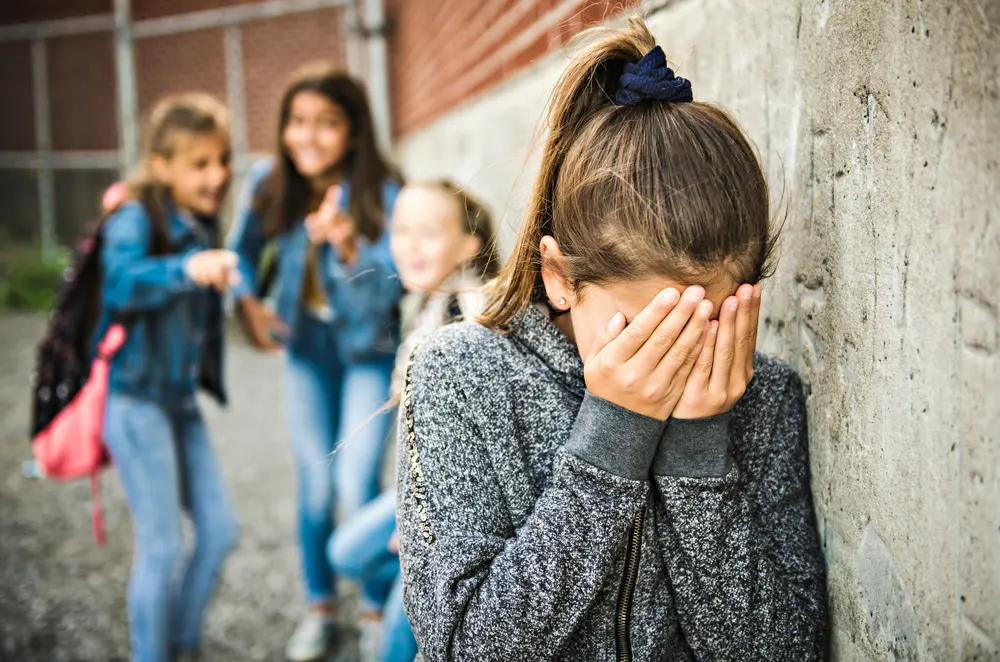
Bullying is not a harmless childhood phase. When children are repeatedly targeted through verbal, physical, social, or online abuse, the effects can extend far beyond school years. Research consistently shows that bullying shapes a child’s mental health, physical well-being, and sense of self in lasting ways that often continue into adulthood.
Understanding these impacts is essential for parents, educators, and caregivers who want to protect children and help them recover with resilience and confidence.
Understanding Bullying and Its Forms
Bullying involves intentional, repeated harm where there is a power imbalance. It can occur in classrooms, playgrounds, neighborhoods, or online spaces.
Common forms of bullying include:
-
Physical bullying: hitting, pushing, or damaging belongings
-
Verbal bullying: insults, threats, name-calling
-
Social bullying: exclusion, spreading rumors, humiliation
-
Cyberbullying: harassment through texts, social media, or gaming platforms
Each form carries emotional weight, but prolonged exposure is what creates long-term damage.
The Long-Term Impact on Mental Health
Children who experience bullying are at significantly higher risk for chronic mental health challenges later in life. What begins as fear or sadness can evolve into deeper psychological distress.
Long-term mental health effects may include:
-
Persistent anxiety disorders
-
Depression and feelings of hopelessness
-
Increased risk of self-harm or suicidal thoughts
-
Difficulty managing stress and emotions in adulthood
Many adults who were bullied as children report ongoing struggles with confidence and emotional regulation, even decades later.
Physical Health Consequences That Linger
Bullying doesn’t only affect the mind. The body often carries the burden of prolonged stress.
Chronic stress during childhood can lead to:
-
Headaches, stomach pain, and fatigue
-
Weakened immune response
-
Sleep disturbances
-
Higher risk of heart disease later in life
When children live in a constant state of fear, their stress hormones remain elevated, which gradually impacts overall physical health.
How Bullying Shapes Self-Worth and Identity
One of the most damaging outcomes of bullying is its effect on self-worth. Children internalize repeated negative messages, often believing they deserve the treatment they receive.
Over time, this can result in:
-
Low self-esteem and self-doubt
-
Fear of expressing opinions or needs
-
Difficulty forming healthy relationships
-
A tendency to accept mistreatment as normal
These beliefs often follow individuals into adulthood, influencing career choices, friendships, and romantic relationships.
Academic and Social Consequences
Bullying disrupts a child’s ability to learn and socialize safely. When school becomes a source of fear, academic engagement suffers.
Long-term academic and social effects include:
-
Poor concentration and declining grades
-
Avoidance of school or social settings
-
Limited peer relationships
-
Reduced participation in group activities
This isolation can further reinforce feelings of inadequacy and loneliness.
The Role of Support in Recovery
While bullying can leave deep scars, early intervention and strong support systems make a powerful difference.
Protective factors that support healing include:
-
Open communication with trusted adults
-
Access to counseling or mental health support
-
School environments with clear anti-bullying policies
-
Encouragement that reinforces self-worth and personal strengths
Children who feel believed, protected, and valued are far more likely to recover and build resilience.
Helping Children Rebuild Confidence
Recovery from bullying is not about forgetting the experience but reframing it in a healthier way.
Effective strategies include:
-
Teaching emotional literacy and coping skills
-
Encouraging activities that build competence and joy
-
Reinforcing positive self-talk
-
Modeling healthy boundaries and relationships
With time and support, children can rediscover their sense of worth and develop lasting emotional strength.
Frequently Asked Questions
1. Can bullying affect children even if it stops later?
Yes, the emotional and psychological effects can persist long after bullying ends, especially if the child did not receive adequate support at the time.
2. Are some children more vulnerable to long-term effects of bullying?
Children with limited social support, existing anxiety, or repeated exposure to bullying are at higher risk for long-term consequences.
3. How can parents tell if bullying is affecting their child’s self-worth?
Warning signs include withdrawal, negative self-talk, sudden mood changes, loss of interest in activities, or fear of school.
4. Does cyberbullying have the same long-term impact as in-person bullying?
Yes, cyberbullying can be equally harmful because it is constant, invasive, and often harder for children to escape.
5. Can children fully recover from bullying experiences?
Many children do recover, especially with early intervention, emotional support, and positive reinforcement that rebuilds confidence.
6. What role do schools play in reducing long-term harm?
Schools that actively address bullying, provide safe reporting systems, and promote inclusion significantly reduce long-term negative outcomes.
7. How can adults help children rebuild self-esteem after bullying?
Consistent encouragement, validating feelings, professional support when needed, and helping children recognize their strengths are key steps in healing.