


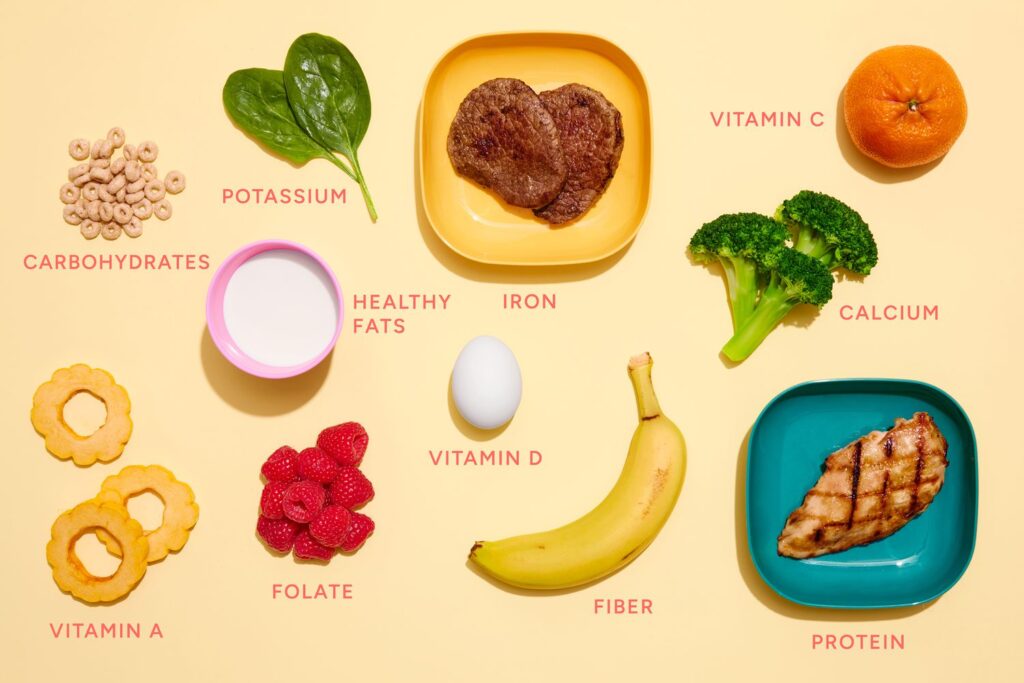
Proper nutrition during childhood lays the foundation for healthy growth, strong immunity, and lifelong well-being. As children grow, their bodies and brains require a balanced supply of nutrients to support physical development, cognitive skills, and energy levels. Understanding what to include in a child’s daily diet can help parents make informed, practical choices.
Why Nutrition Matters During Childhood
Childhood is a period of rapid growth. The right nutrition helps to:
-
Support bone and muscle development
-
Improve concentration and learning ability
-
Strengthen the immune system
-
Maintain a healthy weight and metabolism
Poor eating habits during these years may increase the risk of nutritional deficiencies and long-term health concerns later in life.
Build a Balanced Plate Every Day
A balanced diet ensures children receive all essential nutrients without over-reliance on supplements.
Key Food Groups to Include
-
Fruits and Vegetables: Rich in vitamins, minerals, and antioxidants
-
Whole Grains: Provide sustained energy and fiber
-
Protein Sources: Eggs, lean meat, fish, beans, lentils, and nuts
-
Dairy or Alternatives: Milk, yogurt, cheese, or fortified plant-based options
-
Healthy Fats: Nuts, seeds, avocados, and olive oil
Encouraging variety helps prevent picky eating and improves nutrient intake.
Focus on Essential Nutrients for Growth
Some nutrients play a particularly critical role in childhood development.
Important Nutrients to Prioritize
-
Calcium & Vitamin D: Essential for strong bones and teeth
-
Iron: Supports oxygen transport and prevents fatigue
-
Protein: Aids muscle growth and tissue repair
-
Omega-3 Fatty Acids: Promote brain development and vision
-
Zinc: Supports immunity and wound healing
Including diverse foods naturally covers these nutritional needs.
Healthy Eating Habits Start at Home
Beyond food choices, habits shape a child’s relationship with nutrition.
Smart Eating Practices
-
Encourage regular meal and snack times
-
Limit sugary drinks and processed snacks
-
Offer water as the primary beverage
-
Avoid using food as a reward or punishment
-
Eat meals together whenever possible
Children often mimic adult behavior, so modeling healthy choices is powerful.
Smart Snacking for Active Kids
Snacks can be nutritious when chosen wisely.
Healthy Snack Ideas
-
Fresh fruit with nut butter
-
Yogurt with berries
-
Whole-grain crackers with cheese
-
Boiled eggs or hummus with vegetables
Balanced snacks help maintain energy levels and prevent overeating during meals.
Managing Picky Eating Without Stress
Picky eating is common and usually temporary.
Helpful Strategies
-
Introduce new foods gradually
-
Pair unfamiliar foods with favorites
-
Avoid forcing or pressuring children to eat
-
Celebrate small improvements
Patience and consistency are key to expanding food preferences.
The Role of Hydration in Child Nutrition
Hydration is often overlooked but equally important.
-
Water supports digestion, circulation, and temperature control
-
Active children may need more fluids throughout the day
-
Limit sugary beverages and flavored drinks
Teaching children to recognize thirst helps develop healthy hydration habits.
Encouraging a Positive Relationship with Food
Nutrition is not only about nutrients but also about mindset.
-
Emphasize balance over restriction
-
Teach children to listen to hunger and fullness cues
-
Avoid labeling foods as “good” or “bad”
A healthy approach promotes confidence and long-term well-being.
Frequently Asked Questions (FAQ)
1. How many meals should a growing child eat per day?
Most children do well with three balanced meals and two healthy snacks daily.
2. Are supplements necessary for children?
In most cases, a balanced diet provides sufficient nutrients, but supplements may be recommended by a healthcare professional if deficiencies exist.
3. How can I reduce my child’s sugar intake without resistance?
Gradually replace sugary snacks with naturally sweet options like fruits and homemade treats.
4. What is the best way to encourage vegetable consumption?
Involve children in meal preparation and offer vegetables in different textures and flavors.
5. Is skipping breakfast harmful for children?
Yes, breakfast supports energy, focus, and metabolism, especially for school-aged children.
6. How much water should children drink daily?
Needs vary by age and activity, but regular water intake throughout the day is essential.
7. Can picky eating affect long-term health?
Occasional picky eating is normal, but persistent patterns may require guidance to ensure nutritional adequacy.